Skip to content
How to Prepare for HIPAA Certification for IT Professionals
But wait, there’s no HIPAA certification for IT professionals; HOWEVER, proper preparation reduces the risks of data breaches and compliance failures.

But wait, there’s no HIPAA certification for IT professionals; HOWEVER, proper preparation reduces the risks of data breaches and compliance failures.

Data is increasingly behind everything your business does. As the most valuable asset of all, it’s vital that you keep it safe with an IT backup strategy.

Managed services providers can help take the burden of IT work so you can focus on your business goals.
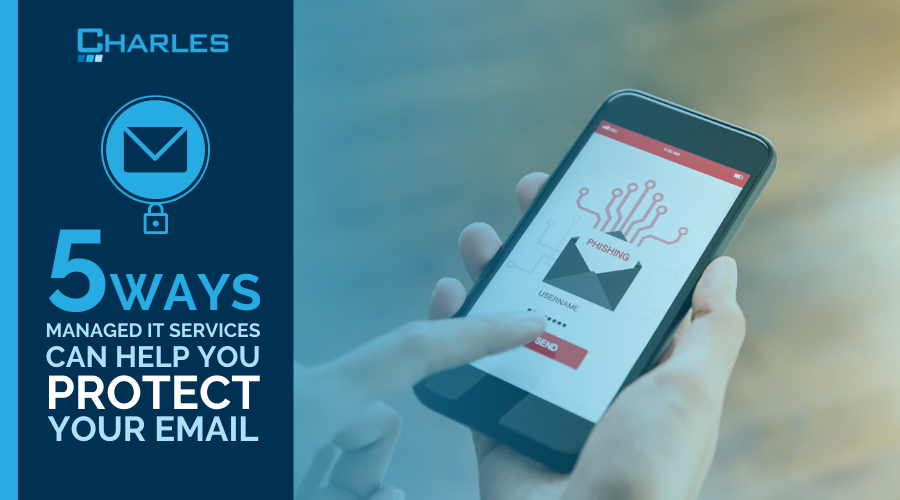
Email has become more than a basic business communication tool, making it a popular target for hackers. Here’s how managed services can keep things safe.

A managed services provider is a third-party organization that manages all the IT concerns of businesses with no dedicated IT staff.
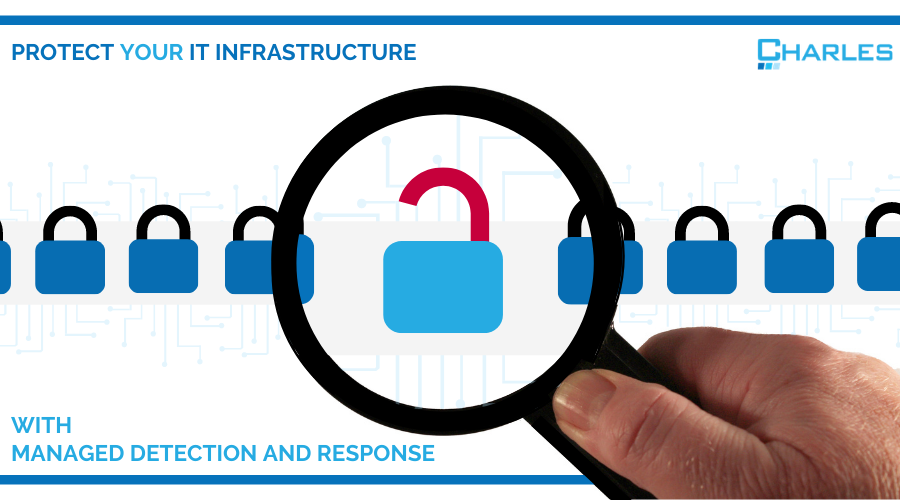
By outsourcing managed threat detection and response, companies can enjoy the same level of protection for their IT infrastructure as large enterprises.
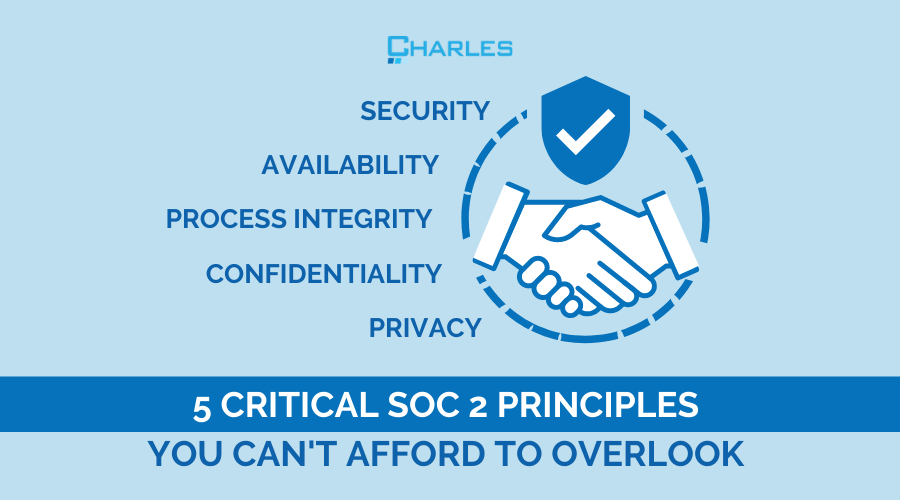
Understanding the SOC 2 principles is key to successfully passing your compliance audit. This article will help you identify which SOC 2 principle applies to your organization.
Achieving SOC 2 compliance begins with a security gap assessment that identifies vulnerabilities, giving you a chance to remediate before it’s too late.
HIPAA compliance is a must for healthcare providers and any third parties they work with. Here’s a HIPAA compliance checklist for IT to help you get started.
HIPAA compliance requirements are intentionally vague, given the rapid pace of technological advancement. Here’s what that means for your business in 2021.
Compliance with DFARS 252.204-7012 demands that organizations adopt sufficient controls to limit the access to sensitive data to authorized users only
Cybersecurity is more a human challenge than a technical one, which is why a strong training program is essential for maintaining compliance