Skip to content

The Importance of Cyber Resilience
Boost your business’s cyber resilience to mitigate financial losses, protect reputation, and ensure compliance with proactive IT security and disaster recovery strategies.
What Must Every SOC 2 Compliance Checklist Contain to Achieve Compliance?
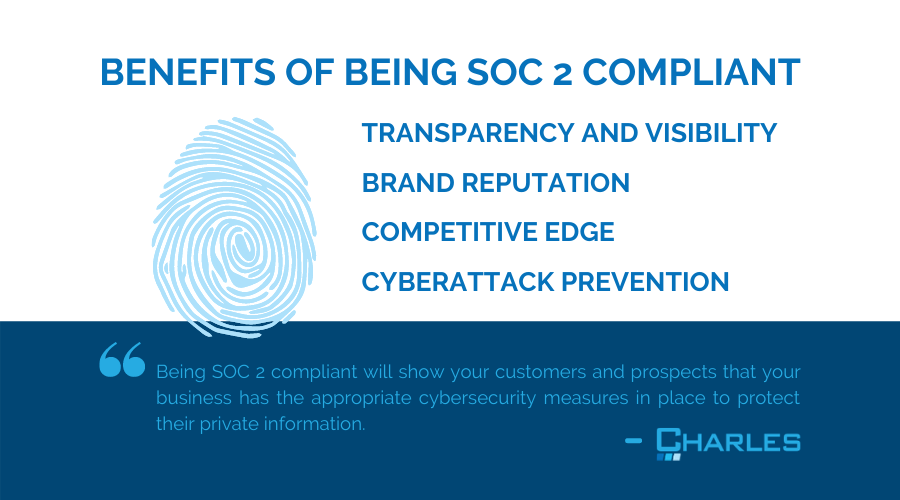
Guide your SOC 2 compliance journey with a checklist of best practices from defining your goals to preparing for the SOC 2 audit.
Protecting Your Business from Advanced Cyber Threats: Best PracticesÂ
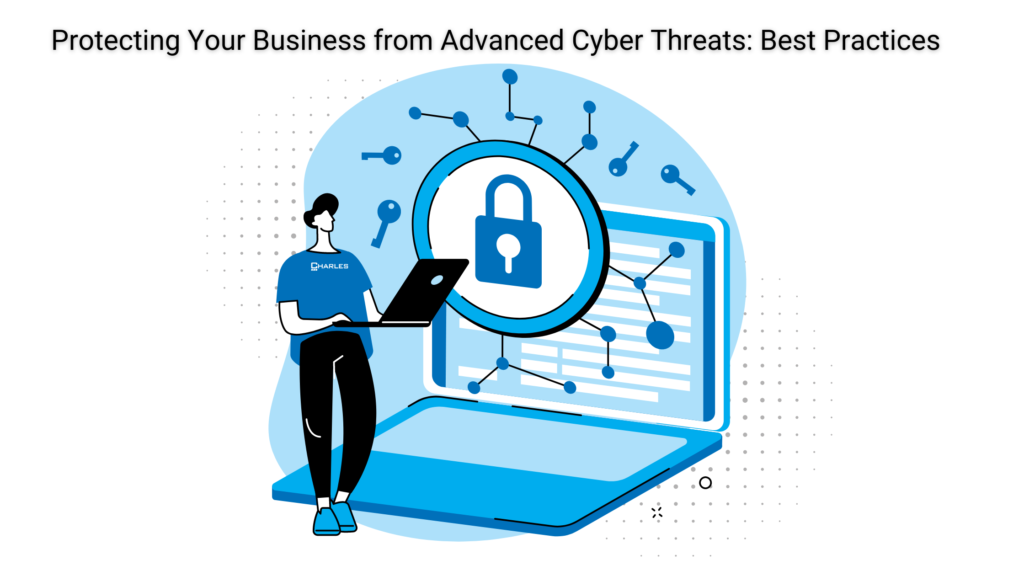
Protect your business from advanced cyber threats with best practices, including advanced threat detection, endpoint security, and employee training.
What are the NIST Framework Core Functions?
The NIST Cybersecurity Framework sets the highest standards of security by addressing entire risk lifecycle from identifying threats to disaster recovery.
NIST Categories: 5 Important Things to Understand
The NIST Cybersecurity Framework is the standards for cybersecurity. Here are some of the most important things you need to know about the NIST categories.
Foolproof IT Inventory Guide for Connecticut Businesses
Effective IT inventory management is crucial for Connecticut businesses. Learn how to optimize IT resources, track assets, and stay compliant with Charles IT’s comprehensive guide.
Cybersecurity Resilience for Manufacturing: Beyond Compliance
Cybersecurity resilience is crucial for Connecticut manufacturing companies to combat evolving threats and ensure continuous operations.
How Can an MSP Help with NIST Compliance?
The information security and compliance landscape can be hard for small businesses to navigate, but partnering with the right MSP can make all the difference.
Why Is Vulnerability Testing Crucial to Preparing for a SOC 2 Audit?
Connecticut IT Consultants, Charles IT, explain how vulnerability testing can pave the way for your SOC 2 compliance success.
Why Cybersecurity Awareness Training is Vital to Passing a SOC 2 Audit

Connecticut’s IT experts explain how data protection starts with people, making cybersecurity awareness training essential for passing your SOC 2 audit.